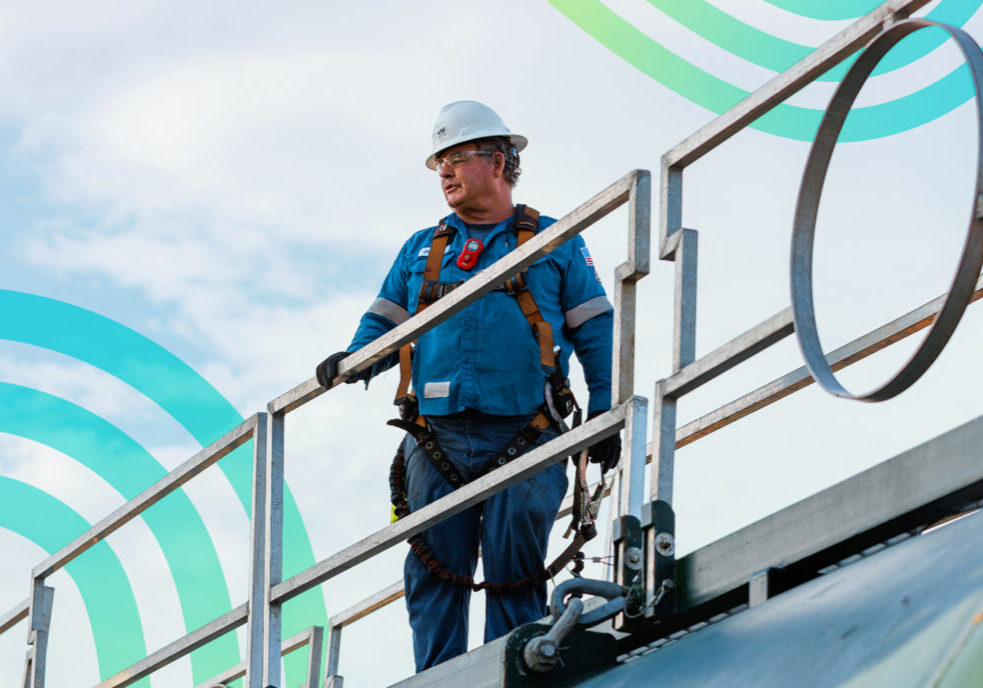

Heat and Hydration Safety for Workers is a top priority at Team Services. The summer months bring fresh challenges to our work here at Team Services. High heat and humidity add another layer of difficulty to tough manual labor. From Tank Barge PIC operations to offshore vessel support and rail car loading operations, our team members face intense heat exposure that requires comprehensive safety protocols. Understanding heat risks and maintaining proper hydration isn’t just about comfort—it’s about protecting lives, ensuring operational safety, and maintaining the reliability of critical energy infrastructure, recommended by the CDC.
Extreme heat can pose serious risks to all Team Services operations, but most importantly, it can cause harm to our team members. Heat stress progresses through dangerous stages:
- Heat Stress: Excessive sweating, fatigue, and decreased concentration affect critical tasks like cargo handling and equipment operations.
- Heat Exhaustion: Nausea, dizziness, weakness, and confusion impair safety decision-making, particularly dangerous for offshore crews requiring helicopter evacuation.
- Heat Stroke: The most severe threat with altered mental status, rapid pulse, and core temperatures exceeding 104°F. In cases of heat stroke, immediate medical intervention is critical and requires an emergency response plan to be put in action.
To combat the heat, we use a variety of different methods, like scheduling demanding tasks with designated breaks for rest and hydration. Finding methods for cooling and the right hydration supplement are the primary focus during summer high temperature work activities. Cooling vests and neck wraps can also provide additional protection for extreme conditions.
Hydration is the key to heat safety. Proper hydration enables the body’s primary cooling mechanism and maintains cardiovascular function during heat stress. Marine and industrial environments amplify hydration needs due to high humidity and physical demands.
We train our team members to identify and treat dehydration, especially for the summer when temperatures stay hot. The warning signs of dehydration are:
- Early: Mild thirst, slight fatigue, darker yellow urine, declining cognitive performance
- Moderate: Headaches, dizziness, significant fatigue, muscle cramps, decreased concentration
- Severe: Confusion, rapid heartbeat, minimal urine production, skin elasticity loss
Proper hydration is the first step to heat safety. We recommend our team members drink plenty of water throughout the day, and aim for 8-10 glasses (2-2.5L) a day. When the body experiences the feeling of thirst, it is already dehydrated. We also recommend that our teams drink small amounts of water frequently.
Consuming 4-6 ounces every 15-20 minutes rather than large volumes at once:
- Allows optimal absorption
- Minimizes kidney response that increases urine production
- Reduces urgent bathroom needs during critical operations
- Maintains steady hydration levels
Another key factor of heat safety is to replenish key minerals lost when sweating. Beverages like sports drinks, coconut water, or electrolyte tablets can replenish the levels of sodium, potassium and magnesium in one’s body. We also encourage eating water-rich foods like watermelon, cucumbers, oranges, lettuce and celery.
It is also important for team members to be aware of the other fluids they consume, such as caffeinated drinks or alcohol. These beverages can affect the body’s heat tolerance and if overconsumed, can be dangerous. Caffeinated beverages, such as coffee or tea, act as a mild diuretic and dehydrate the body. Energy drinks in particular can cause additional problems due to their high sugar content. On the other side of the spectrum, alcohol significantly impairs temperature regulation and contributes to dehydration. Studies show that previous evening consumption affects next-day heat tolerance.
Lastly, we encourage team members to use cooling strategies like working indoors or areas with air conditioning during peak sun hours of the day. When unable to leave a job site for breaks, we plan for regular cooling periods to promote heat safety.
At Team Services, we take our team members’ well-being to heart. Keeping up with heat and hydration safety represents our core values of safety via team member wellbeing and operational excellence. The specialized nature of Tank Barge PIC services, marine operations, rail services, and offshore operations demands equally specialized safety measures accounting for unique environmental challenges and operational constraints.
Through science-based hydration strategies, advanced protective measures, continuous improvement, and unwavering dedication to team member wellbeing, Team Services sets the standard for heat and hydration safety for workers while maintaining critical energy infrastructure.